



 Dansk
Dansk
How Marine Insulation Firms Extend Equipment Lifespan
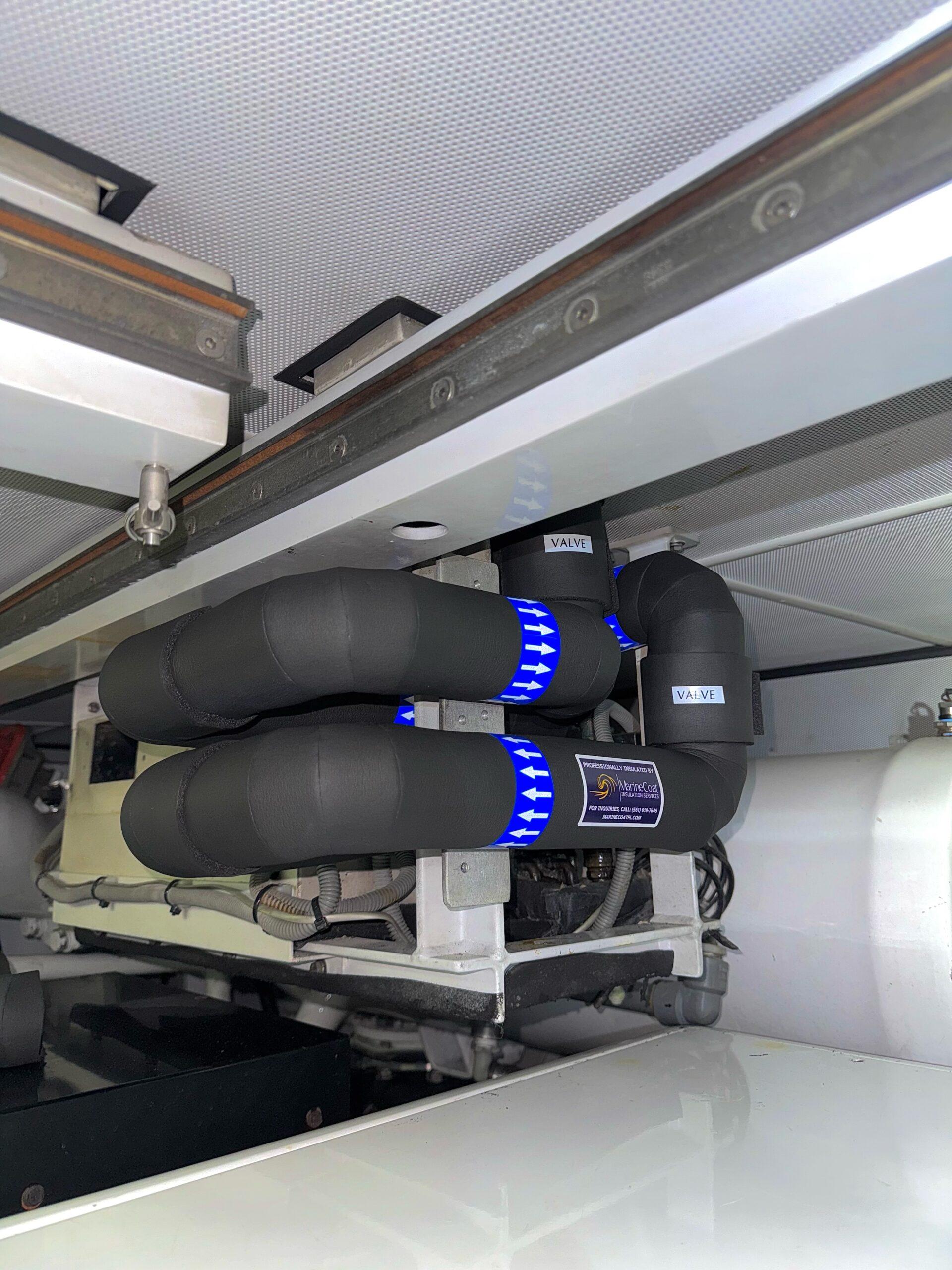
Modern vessels rely on complex mechanical systems operating under relentless thermal and environmental stress. Engines, piping networks, turbines, and auxiliary units face constant exposure to heat variation, moisture, vibration, and corrosive atmospheres. Within the first stages of system evaluation, marine insulation companies play a decisive role in preserving equipment integrity. By applying engineered insulation solutions, they create protective barriers that stabilize operating conditions and reduce premature degradation. When marine pipe insulation is implemented correctly from the outset, it becomes a silent contributor to durability, reliability, and long-term asset value.
Thermal Regulation as a Shield for Machinery
Temperature fluctuation is a primary contributor to mechanical fatigue. Repeated heating and cooling cycles cause metal expansion and contraction, leading to stress fractures and seal failure. Insulation moderates these extremes by maintaining consistent surface and internal temperatures.
Marine insulation companies design thermal containment systems that align with equipment tolerance ranges. Engines and boilers benefit from retained heat, while cooling lines maintain stable low temperatures. Marine pipe insulation surrounding fluid transfer systems prevents thermal shock, ensuring components operate within engineered limits for extended periods.
Moisture Control and Corrosion Prevention
Humidity is unavoidable at sea. When warm surfaces meet cooler air, condensation forms, creating ideal conditions for corrosion. Unprotected pipes and equipment surfaces deteriorate rapidly under these circumstances.
Insulation systems incorporate vapor barriers and moisture-resistant layers that block water ingress. Marine insulation companies assess dew point risks and select materials accordingly. By keeping surfaces dry, marine pipe insulation significantly slows corrosion processes, preserving wall thickness and structural integrity over time.
Vibration Dampening and Structural Preservation
Shipboard machinery generates continuous vibration. Over time, this movement loosens fasteners, damages joints, and accelerates wear on connected systems. Insulation adds a cushioning effect that absorbs and disperses vibrational energy.
Specialized insulation assemblies reduce resonance along piping runs and equipment housings. Marine insulation companies integrate vibration-resistant supports and cladding, helping prevent micro-damage that often goes unnoticed until major failure occurs. This protective function is especially valuable in high-load industrial vessels.
Protection Against External Environmental Stress
Offshore and industrial vessels operate in aggressive environments. Salt spray, chemical exposure, and airborne contaminants attack unshielded equipment relentlessly.
Insulation acts as a defensive layer between machinery and external threats. Marine pipe insulation systems often include corrosion-resistant jacketing that shields pipes from salt-laden air and chemical splashes. Marine insulation companies tailor protective solutions based on vessel operating zones, ensuring equipment remains insulated from harmful exposure.
Fire Risk Reduction and Equipment Survival
Fire incidents cause catastrophic damage not only through flames but also via radiant heat. Insulation slows heat transfer, providing critical protection during emergencies.
Fire-rated insulation materials delay temperature rise on protected equipment, allowing more time for response and containment. Marine insulation companies ensure compliance with international fire safety standards, selecting materials that limit smoke emission and toxicity. This protection enhances the survival chances of essential systems during extreme events.
Energy Efficiency and Reduced Mechanical Load
Inefficient thermal systems force equipment to work harder, increasing mechanical strain. Heat loss from uninsulated pipes requires additional fuel input, elevating operational stress on engines and generators.
Marine pipe insulation minimizes energy waste, allowing systems to operate efficiently with less exertion. Over time, reduced load translates into slower wear rates and fewer mechanical failures. Marine insulation companies often calculate thermal loss reductions, demonstrating how insulation investment directly supports equipment longevity.
Customized Solutions for Complex Systems
No two vessels share identical layouts. Equipment placement, piping density, and operational profiles vary widely. Standardized insulation rarely delivers optimal protection.
Marine insulation companies conduct detailed assessments to customize insulation thickness, material composition, and installation methods. For intricate systems, modular marine pipe insulation allows precise coverage without gaps. This tailored approach ensures every component receives appropriate protection, extending service life across the entire system.
Maintenance Optimization and Inspection Access
Insulation also influences maintenance efficiency. Poorly designed systems complicate inspections and repairs, increasing the risk of damage during access.
Modern insulation designs incorporate removable sections around valves, flanges, and inspection points. Marine insulation companies balance protection with accessibility, enabling routine maintenance without insulation destruction. Reduced handling damage further extends equipment lifespan and preserves insulation performance.
Lifecycle Cost Reduction Through Preventive Protection
Replacing damaged equipment is significantly more expensive than preventing degradation. Insulation functions as a preventive investment, lowering total lifecycle costs.
By slowing corrosion, reducing vibration damage, and stabilizing temperatures, marine pipe insulation extends replacement intervals. Marine insulation companies support asset management strategies by aligning insulation solutions with long-term maintenance planning, ensuring equipment delivers maximum service life.
Final Perspective on Equipment Longevity
Extending equipment lifespan requires more than quality machinery; it demands continuous protection from environmental and operational stress. Marine insulation companies provide that protection through engineered thermal, moisture, and vibration control solutions. When marine pipe insulation is applied strategically and maintained properly, it safeguards critical systems against premature failure. In the final analysis, insulation is not merely an accessory—it is a foundational element in sustaining vessel reliability, efficiency, and long-term operational value.